Keeping your lawn alive through a Southern Ontario summer
July and August heat, dry spells, and watering restrictions can wreck a lawn fast. Here's how to keep yours green — or at least healthy — through the toughest months.
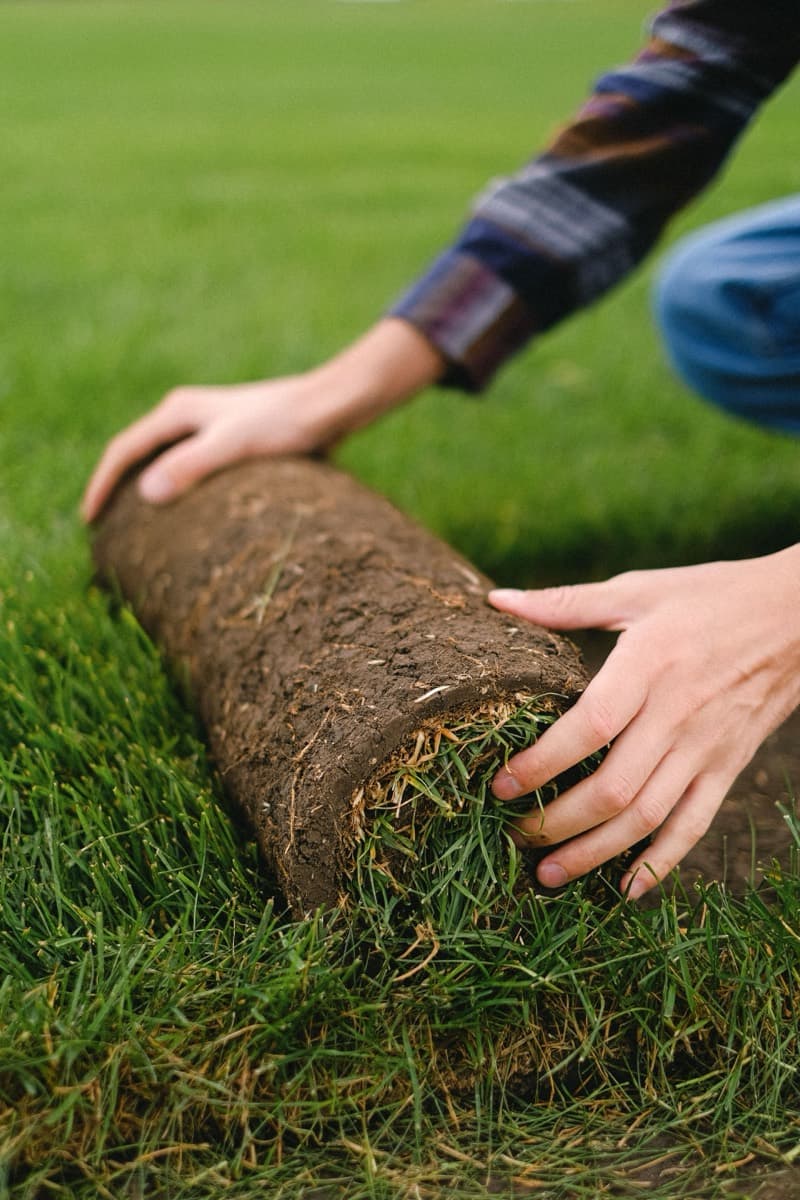
A Southern Ontario summer is hard on grass. Weeks of heat, stretches without rain, and the occasional watering restriction all stack up in July and August — right when your lawn is most visible and most stressed. The good news is that cool-season grasses (the kind that make up most lawns here) are built to survive our summers. Your job is mostly to avoid making things worse.
Water deeply and infrequently
The most common summer lawn mistake is watering a little bit every day. Light daily sprinkles wet only the surface and train roots to stay shallow — exactly the wrong thing when heat is baking the top inch of soil. Instead, water deeply and less often: a good soak once or twice a week that reaches several inches down encourages deep, drought-tolerant roots.
Early morning is the ideal time. Watering before the sun is high means less evaporation and lets the blades dry through the day, which helps prevent fungal problems. Avoid evening watering that leaves grass wet overnight.
Raise the mower — and slow down
Cut higher in summer than you do in spring. Taller grass shades its own roots and the soil, holding in moisture and crowding out weeds trying to germinate in bare spots. Never remove more than a third of the blade height in a single mow, and keep the blade sharp — a clean cut stresses grass far less than the ragged tearing of a dull blade, which browns the tips and invites disease.
In a real heat wave, it's fine to mow less often and let the lawn grow a touch longer. Mowing itself is a stress; there's no prize for a fresh cut every week when it's 32 degrees.
Dormancy isn't death
If your lawn goes tan and crunchy during a long dry spell, don't panic — cool-season grass often goes dormant to protect itself, and it isn't dead. A dormant lawn will green back up once cooler, wetter weather returns in late summer or fall. The key is consistency: pick a lane. Either keep it watered enough to stay green, or let it go dormant and keep it lightly watered (about a half-inch every couple of weeks) to keep the crowns alive. Bouncing back and forth — letting it brown, soaking it green, letting it brown again — is what actually stresses the plant.
Go easy on traffic and fertilizer
Heat-stressed grass is fragile. Repeated foot traffic on a dormant or drought-stressed lawn can leave lasting worn paths, so give it a break during the worst stretches. And hold off on heavy fertilizing in midsummer — pushing new growth when the plant is already fighting heat does more harm than good. Save the serious feeding and any overseeding for fall, which is the real recovery and growth window in our climate.
Planning ahead pays off
A lot of summer resilience is decided long before July. Lawns that were aerated to relieve our region's heavy clay compaction, and that have decent topsoil and depth underneath, ride out heat far better than thin lawns sitting on compacted ground. If your lawn struggles every summer no matter what you do, the fix is often below the surface — and early fall is the ideal time to address it with aeration and overseeding.
If your lawn is beyond a tune-up, that's a conversation worth having too. Whether it's aeration, overseeding, or a fresh sod install timed for the right window, we're happy to take a look. Reach out for a free on-site estimate anywhere in Fergus, Elora, and Centre Wellington.