New sod watering schedule: the first 30 days in Ontario
Fresh sod lives or dies by how it's watered in the first month. Here's the week-by-week schedule we give every HB Landscaping customer — and the mistakes that kill a new lawn.
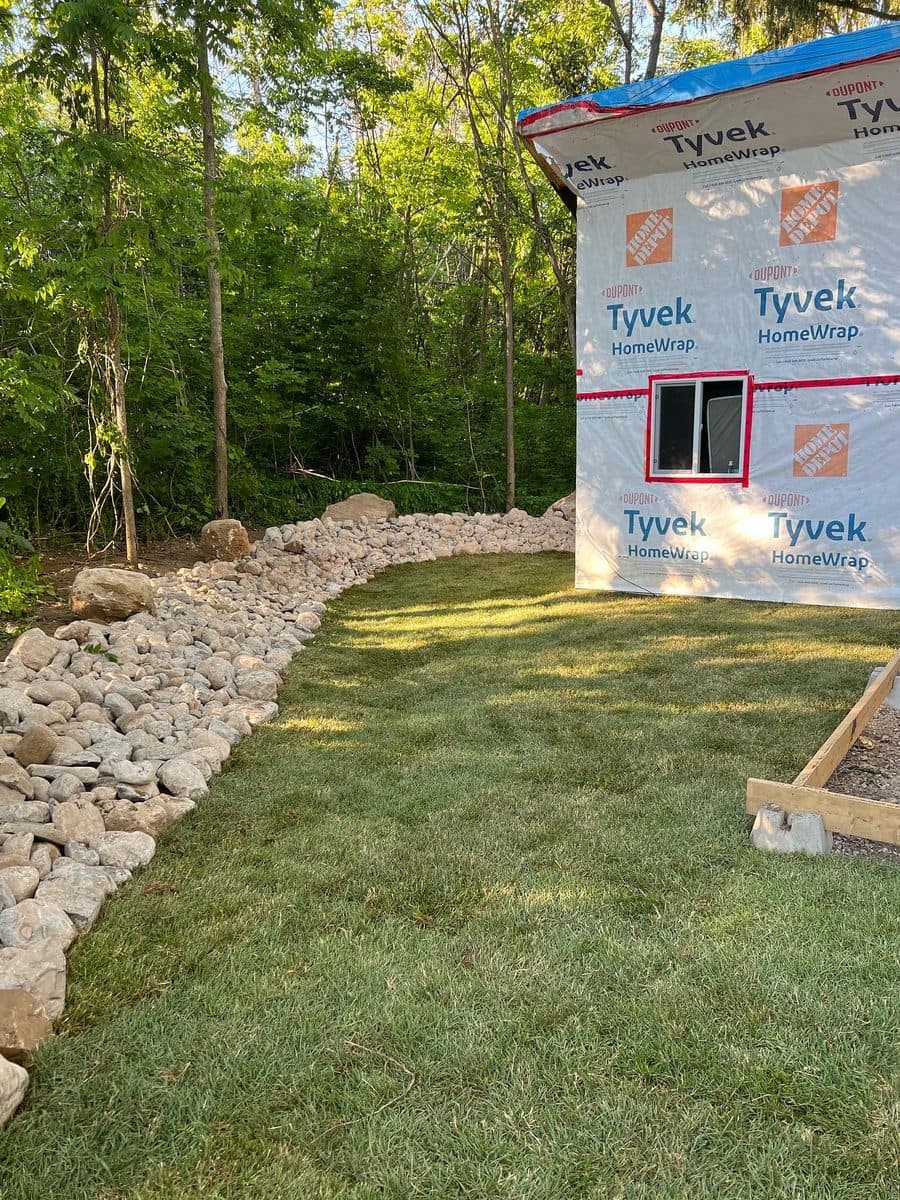
Here's the uncomfortable truth about a new lawn: we can prepare the grade perfectly, lay premium sod flawlessly, and it can still fail — if it isn't watered correctly in the first few weeks. Watering is the single biggest factor in whether new sod knits into the soil and thrives, and it's the one part of the job that happens after we leave.
This is the schedule we hand to every HB Landscaping sod customer in Fergus, Elora, and across Centre Wellington. Follow it and your lawn roots in fast and strong. Ignore it — even for a couple of hot days — and you can lose sections that no warranty is meant to cover.
Why the first month matters so much
Fresh sod arrives as living grass with its roots cut short. Until those roots grow down and lock into the soil beneath, the sod can't pull up its own water — it depends entirely on you keeping both the sod and the soil surface consistently moist. Let it dry out during this window and the roots die back at the tips, the sod shrinks, and you get gaps and browning that are hard to reverse.
The good news: it's only a few weeks of attention, and the schedule is simple once you understand the goal — moist, never soggy, tapering off as the roots take hold.
 BeforeAfter
Days 1–2: soak it in immediately
Start watering within a half hour of the last roll going down — don't wait for the whole lawn to be finished if it's a hot day. The goal on day one is a deep soak: water long enough that the moisture passes through the sod and into the soil beneath, about an inch of water. Lift a corner and check that the ground underneath is wet, not just the sod itself.
In summer heat, water again in the afternoon of day one and day two. The sod should never be allowed to dry out and curl at the edges during this stretch.
Days 3–14: keep it consistently moist
For the first two weeks, water every day — twice a day during hot, dry, or windy weather. Early morning is the best time; a second watering in the early afternoon helps on the hottest days. You're aiming to keep the sod and the top inch of soil consistently damp so the new roots have every reason to grow downward.
Watch the seams and the edges especially — corners, strips along walkways, and pieces near driveways dry out first because heat radiates off the hard surfaces. If you see edges lifting or turning tan, that area needs more water, sooner.
Days 15–30: water deeper, less often
By the third week the roots have started to take hold, and the goal shifts. Back off to every other day, then every third day, but water more deeply each time. This encourages roots to chase the moisture downward, which is exactly what builds a drought-tough lawn.
The tug test tells you where you stand: gently pull up a corner of the sod. Early on it lifts easily; once it resists and you feel the roots gripping the soil, the lawn is establishing well and you can keep tapering the watering toward a normal schedule.
The first mow — and when not to
Don't mow until the sod is firmly rooted, which is usually around two to three weeks depending on weather. Mowing too early tears sod that hasn't anchored yet. When you do mow the first time, make sure the lawn is dry enough to walk on without leaving footprints, set the mower high, and never remove more than a third of the blade height in a single cut. Sharp blades matter — a dull blade shreds young grass instead of cutting it cleanly.
The mistakes that kill new sod
Under-watering is by far the most common. A single missed day during a July heat wave can brown out edges permanently. Light, frequent sprinkles are the second trap — wetting only the surface trains roots to stay shallow instead of growing down.
Over-watering is rarer but real: sod sitting in soggy, waterlogged soil can rot and won't root either. If water is pooling or the ground stays spongy for hours, ease off. And keep foot traffic — kids, pets, the wheelbarrow — off the new lawn for the first couple of weeks while the roots are still fragile.
What we handle, and what's on you
Our part is the foundation: correcting the grade so water drains away from your foundation, preparing quality topsoil, and laying premium Ontario-grown sod that's suited to our climate. Every install comes with this written aftercare guide and our workmanship warranty — but that warranty assumes the lawn is watered according to the schedule, because watering is the one thing we can't control once we're off-site.
Planning a new lawn in Fergus, Elora, or Centre Wellington? Book early so your install lands in an ideal window, and we'll walk you through exactly what your specific yard needs. Reach out for a free on-site estimate any time.